ALIBI
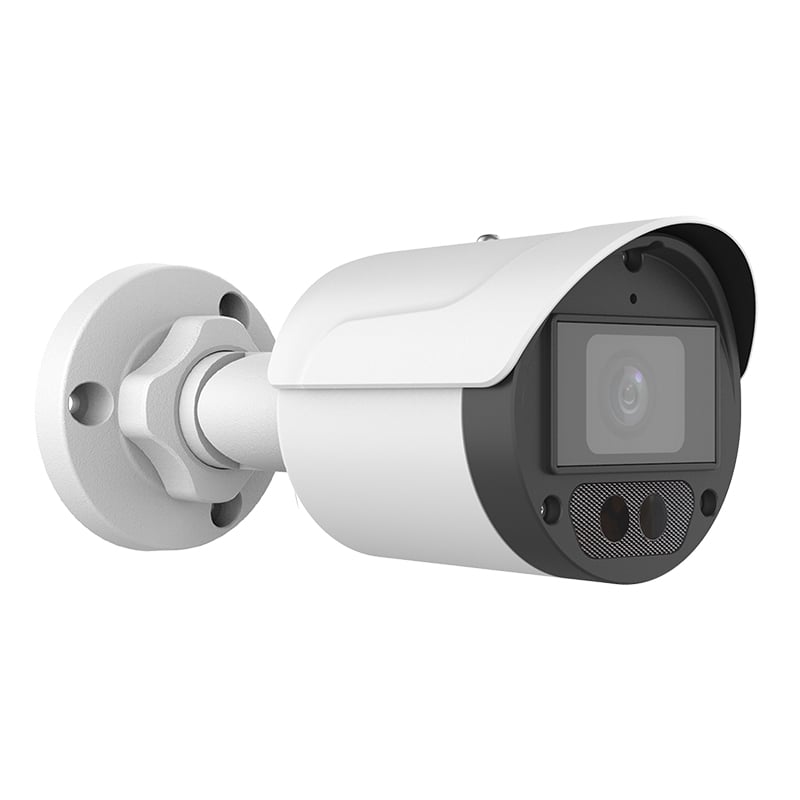
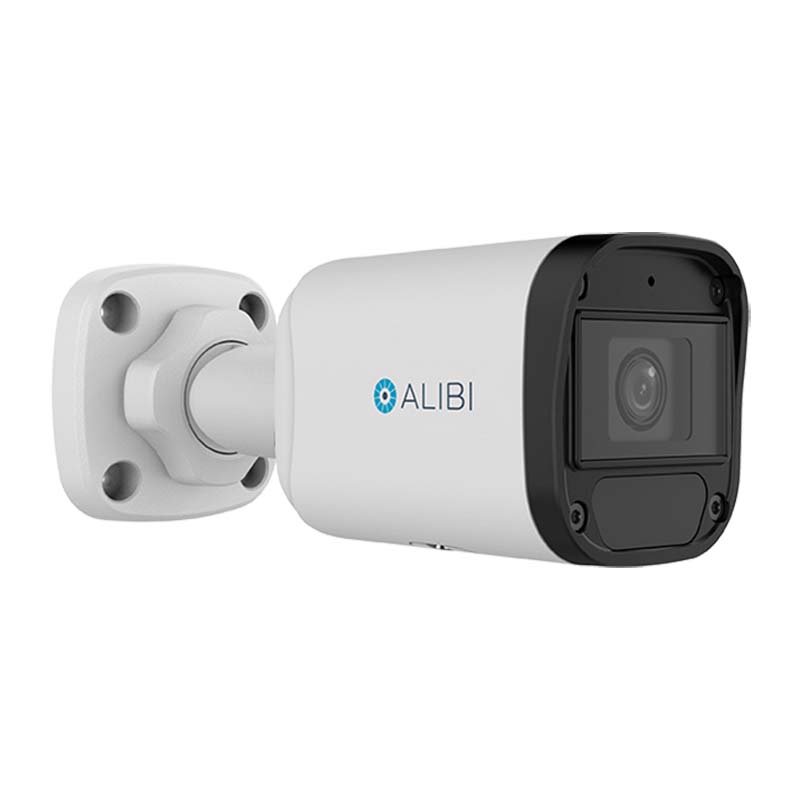
Alibi ALI-AB22-UA-D Vigilant Flex Series 2MP Starlight 131ft 4-in-1 Fixed Bullet Security Camera
$59.99$79.99
In stockBuying guide · security cameras and surveillance equipment
What each budget buys, what you can skip, and where cheap cameras end up costing more. Every price on this page is our live price, and none of it comes with a monthly fee. We have sold and installed CCTV in New York since 2003.
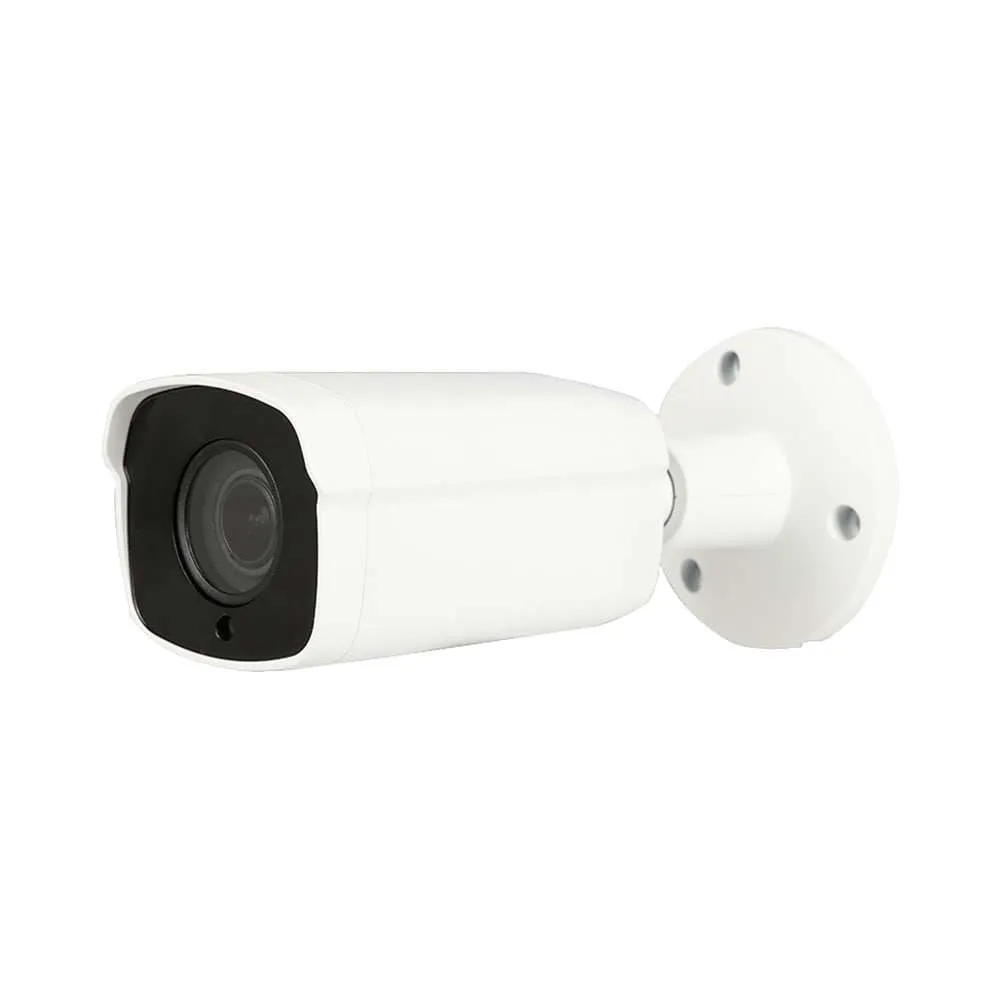
One more camera for a recorder you already have. Good 2MP and 4MP cameras start around $60, and a 4-in-1 camera works with most HD DVRs from the last ten years.
A complete system for a house or small shop: a recorder with a hard drive and four wired cameras. Phone viewing included, no subscription.
8 to 32 cameras, 4K, zoom cameras that follow movement, and licence plate reading. This is where a site visit pays for itself.
ALIBI
ALIBI
ALIBI
Each one pairs a recorder with cameras of the same brand and signal type, so everything works together out of the box.
A house or small shop wiring from scratch.
One network cable per camera carries power and video. The recorder has eight power-over-ethernet ports and a 2TB drive already fitted, so four more cameras can go on later without a new box.
A building that already has camera cable in the walls.
Old analog cameras ran on coax. A 4-in-1 camera and a hybrid recorder reuse that cable, which is usually the most expensive part of an install. The recorder comes without a drive: pick the 2TB drive on its page and it arrives fitted.
Totals are equipment only, before shipping and tax. Network cable, connectors and power for the coax build are extra if you do not already have them.
The $30 to $50 Wi-Fi cameras in big-box stores are a fair choice for one apartment door. Past that, the cheap option tends to cost more.
Many budget Wi-Fi cameras keep your video in the maker's cloud, and keeping more than a short clip history usually means a subscription, per camera or per home. A recorder keeps it on your own hard drive for free.
Wi-Fi cameras share the signal with everything else in the house. Wired cameras do not stutter when someone starts streaming.
A Wi-Fi camera still needs an outlet or a battery you recharge. A network camera gets power down the same cable as the video.
A recorder keeps recording. A cloud camera usually does not.
More channels, zoom cameras that follow a person across a lot, and cameras that read licence plates.
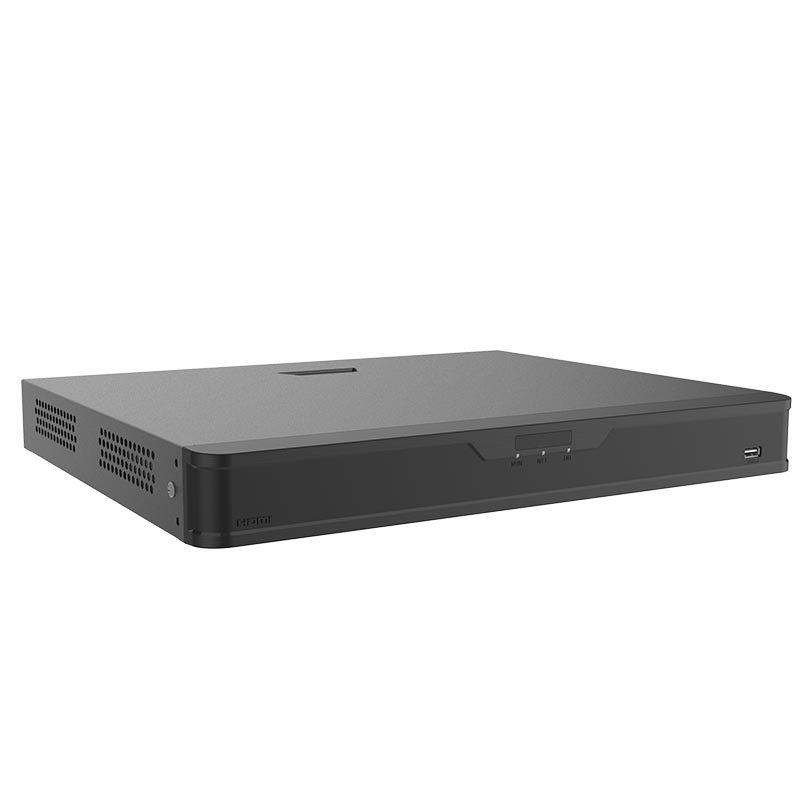
ALIBI
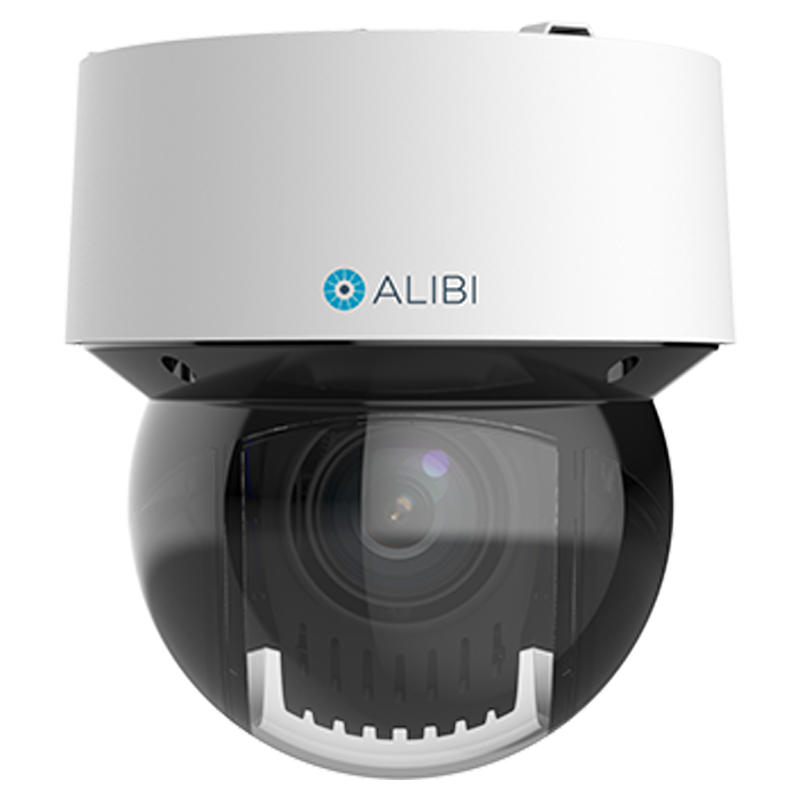
ALIBI
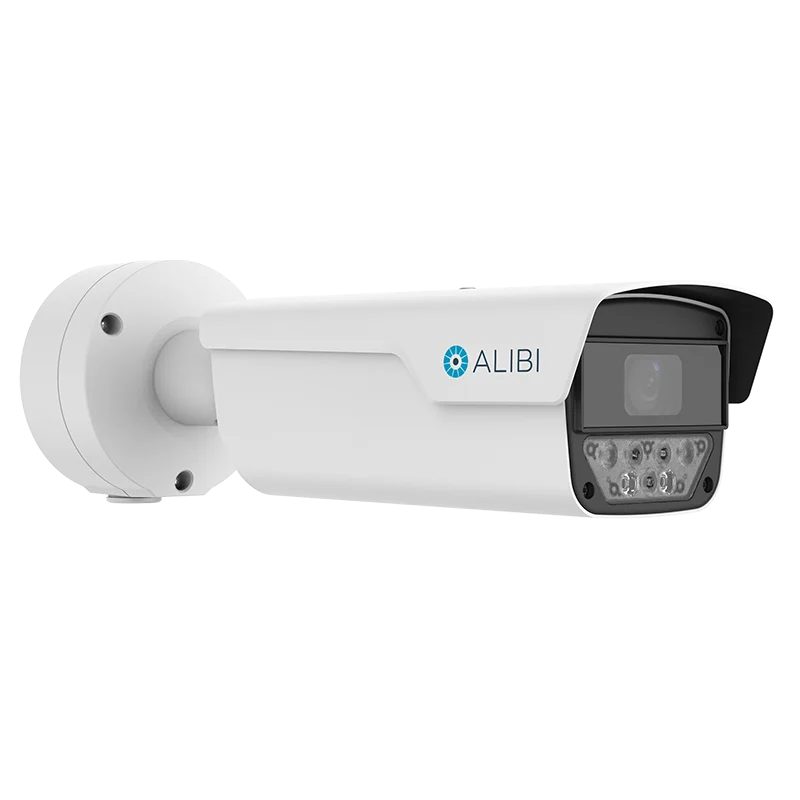
ALIBI
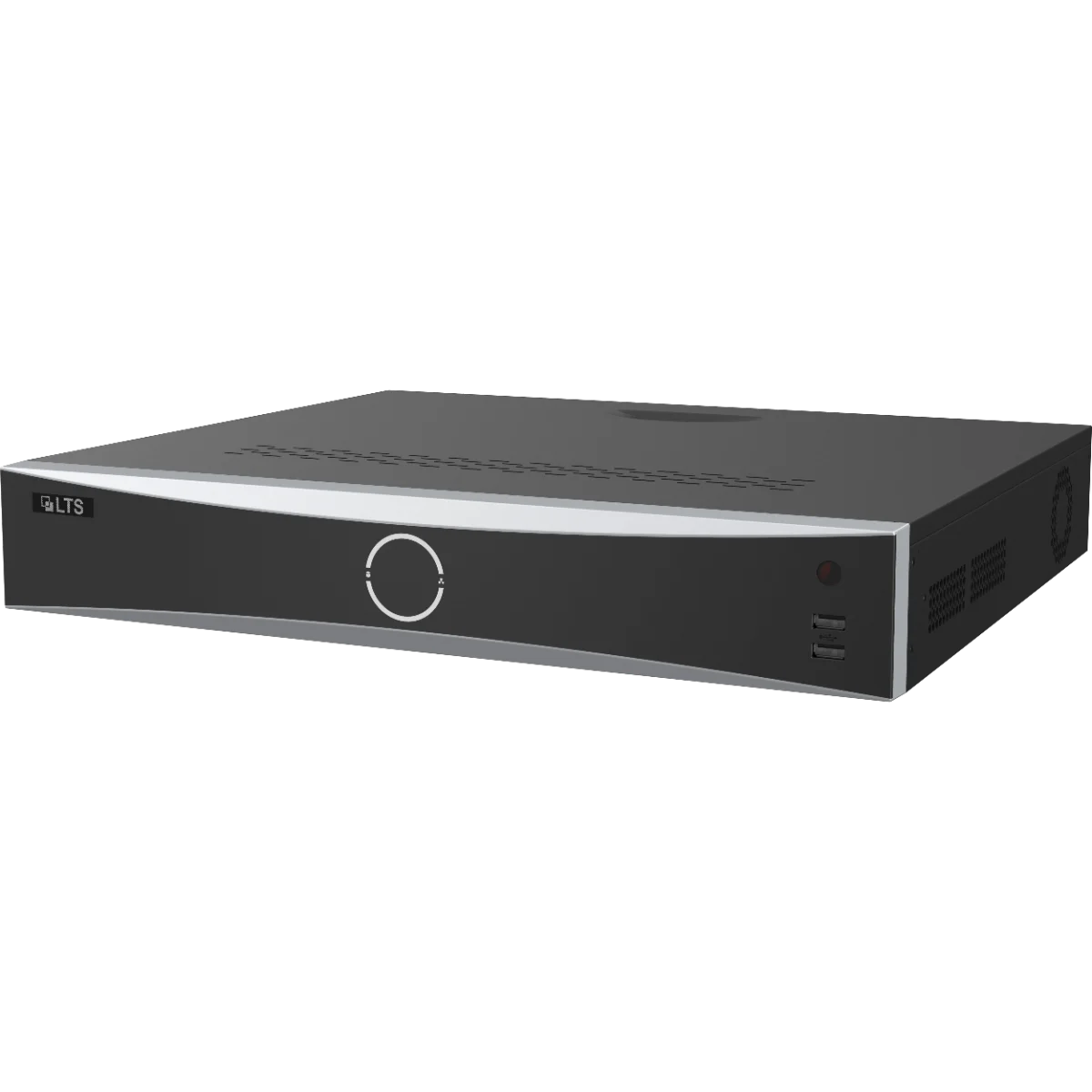
LTS
For a house or a small shop, a recorder and four good wired cameras usually comes to between $700 and $900 in equipment, with nothing to pay monthly. A single extra camera for a system you already have starts at about $60. Larger buildings with 8 to 16 cameras, zoom cameras or plate reading run from about $1,500 up.
Not with a recorder system. The cameras record to a hard drive in the recorder, on your property, and the free phone app shows live video and recordings. Many budget Wi-Fi cameras sold for $30 to $50 save video to the maker's cloud, which is where the monthly fee comes from.
For one apartment door, often yes. For a whole house or a business, wired cameras are more reliable: they do not drop off when the Wi-Fi is busy, they do not need batteries charged, and the recorder keeps everything even if the internet goes down. A Wi-Fi camera still needs a power outlet nearby unless it runs on batteries.
Usually, yes. 4-in-1 cameras (HD-TVI, AHD, CVI and analog) work over standard coax with a hybrid DVR, so you can replace old cameras and the recorder without pulling new cable. If the cable is damaged or very long, a network system is the better choice.
2MP (1080p) is enough to recognise a face at a door or across a counter. 4MP is a good all-round choice for yards and driveways. 8MP (4K) is worth it for wide areas where you want to zoom into a recording later, and for reading licence plates you need a dedicated plate camera.
Roughly three weeks of continuous recording from four 4MP cameras on a 2TB drive with H.265 compression. Recording on motion only, which most people use, stretches that a long way. More cameras, higher resolution or a busy scene shortens it.
Either. Everything ships nationwide for you or your installer to fit. In New York City we arrange installation, with a written quote before any work starts.
Tell us the property and how many doors and areas you want covered. We will price it, and in New York City we can arrange the install.